
How Many Incline Positions Do I Need on an Adjustable Bench?
An adjustable weight bench is a versatile piece of strength training equipment that allows you to perform exercises at different angles. Whether you’re building a home gym or upgrading a commercial fitness facility, choosing the right number of incline positions can improve workout variety and muscle engagement.
But how many incline positions do you actually need? For most fitness enthusiasts, an adjustable bench with five to seven well-spaced backrest positions is a practical choice.
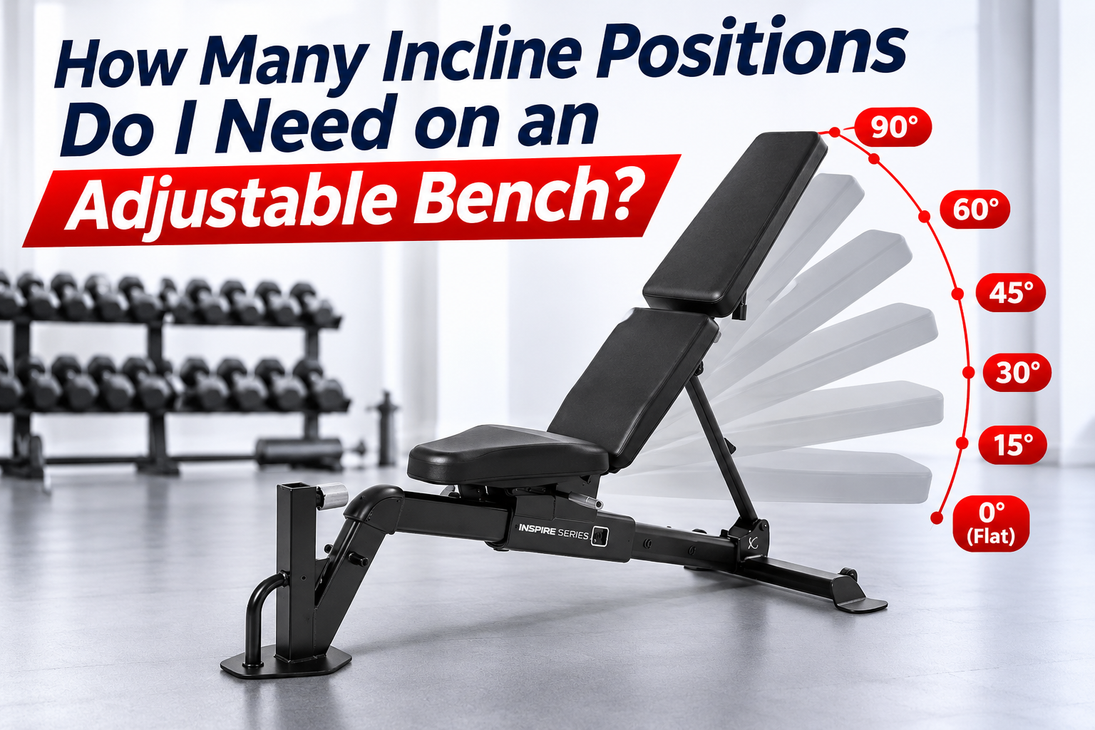
What Is an Adjustable Weight Bench?
An adjustable weight bench allows users to change the backrest angle for different strength training exercises.
Depending on the model, it may offer flat, incline, decline, and near-upright positions. This flexibility makes it suitable for chest presses, shoulder presses, dumbbell exercises, and other upper-body workouts.
Unlike a fixed flat bench, an adjustable gym bench provides greater exercise versatility within a single piece of equipment.
How Many Incline Positions Do You Really Need?
The ideal number of bench positions depends on your fitness goals and training requirements.
- 3–4 positions: Suitable for beginners and basic strength training.
- 5–7 positions: Ideal for most home gym users and regular strength training.
- 8 or more positions: Offers greater flexibility for users who prefer precise angle adjustments.
However, the range and spacing of adjustable bench incline angles are more important than the number of positions alone.
Different Bench Incline Angles and Their Benefits
Each bench angle supports different exercises and muscle engagement.
| Bench Angle | Recommended Exercise | Muscle Focus |
|---|---|---|
| Decline | Decline Chest Press | Chest |
| 0° – Flat | Dumbbell Chest Press | Chest |
| 15° | Low Incline Press | Chest |
| 30° | Incline Dumbbell Press | Upper Chest |
| 45° | Incline Chest Press | Upper Chest & Shoulders |
| 60° | High Incline Press | Shoulders & Upper Chest |
| 75°–90° | Seated Shoulder Press | Shoulders |
A flat incline decline bench offers additional workout variety, allowing users to target different muscle groups without purchasing multiple benches.
Adjustable Bench vs Flat Bench: Which Is Better?
Both benches are useful for strength training, but an adjustable bench offers greater exercise flexibility.
| Features | Flat Bench | Adjustable Bench |
|---|---|---|
| Backrest Positions | Fixed | Multiple |
| Exercise Variety | Limited angles | Multiple angles |
| Incline Workouts | No | Yes |
| Decline Workouts | No | Selected models |
| Design | Simple | Versatile |
| Training Suitability | Basic strength training | Beginner to advanced |
An adjustable weight bench is particularly useful for home gyms where space is limited and equipment versatility is important.
How to Choose the Right Adjustable Weight Bench in Singapore
When purchasing an adjustable weight bench in Singapore, consider the following factors:
- Incline Positions: Choose angles that support your preferred exercises.
- Weight Capacity: Check the maximum combined user and exercise weight.
- Frame Durability: Look for strong construction and a stable base.
- Seat Adjustability: Helps maintain comfortable positioning during incline exercises.
- Cushioning: Choose supportive and durable padding.
- Equipment Compatibility: Ensure the bench works with your dumbbells, power rack, or functional trainer.
Selecting a quality home gym weight bench can provide greater workout flexibility and support long-term strength training progression.
Looking for an adjustable weight bench in Singapore? Explore Sole Fitness Singapore and discover suitable strength training equipment for your home or commercial gym.

